Sponsors don't buy events. They buy access to an audience, a moment their brand can own, and proof it was worth the money. A strong proposal deck makes that trade obvious in a few minutes.
This structure comes from how brand and marketing teams actually evaluate proposals: is the audience right, is the idea strong, what do we get, and what does it cost?
- Sponsors buy audience access and brand moments, not a logo on a banner.
- Show audience data, activation ideas, clear tiers and post-event reporting.
- Tailor the cover and activation slide to each sponsor you pitch.
In this guide
01Think like the sponsor first
Before you open PowerPoint, answer these from the brand's side:
- Who exactly will be there, and why does that matter to this brand?
- What can the brand do at the event, beyond putting a logo on a banner?
- How will they measure success: leads, sales, content, awareness?
- What happens before and after the event day?
If your deck answers these clearly, you're already ahead of most proposals.
02The slide structure that works
Part 1: The event
- Cover: event name, date, city and a striking key visual.
- The big idea: one line on what makes this event worth attending. Concept beats logistics here.
- The experience: what guests will see, do and feel. Moodboard, zones, highlights, line-up.
- Date, venue and format: the facts in one clean slide.
Part 2: The audience
- Who comes: age range, interests, spending power, location. Use real data from past editions or ticketing if you have it.
- Reach: expected attendance, social following, media partners, livestream or content views.
- Track record: past editions, photos, results, and quotes from earlier sponsors.
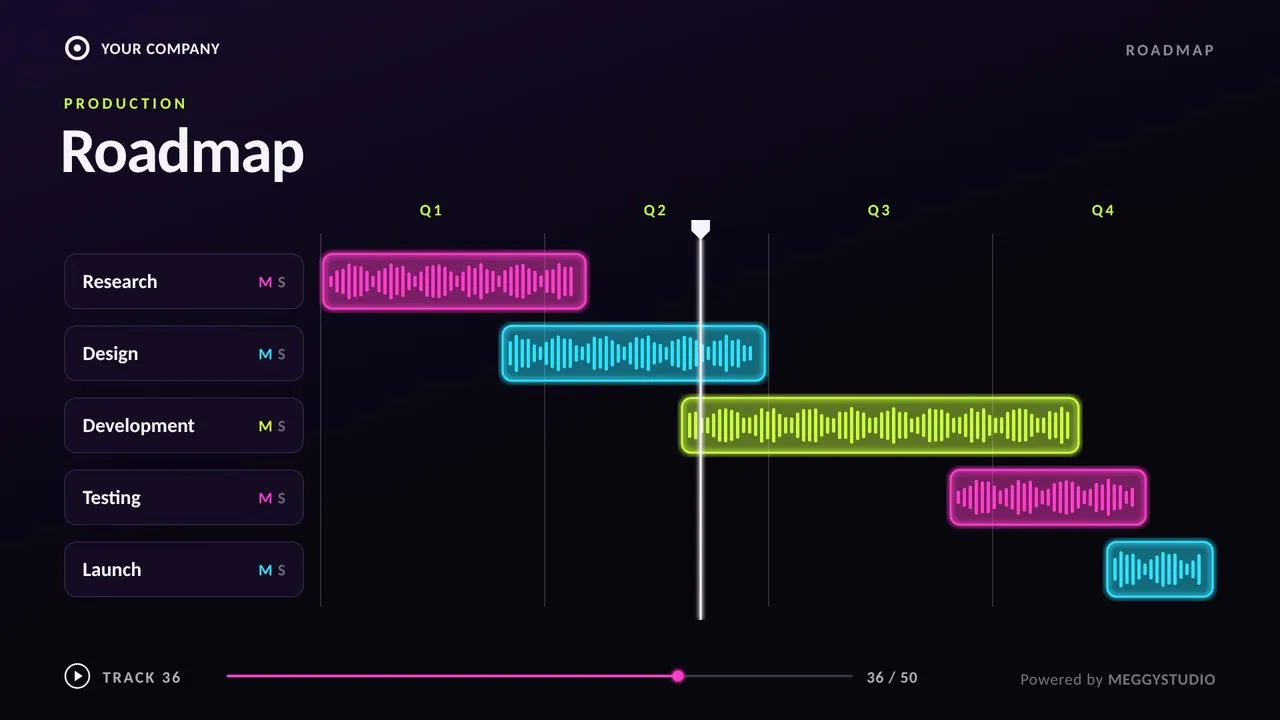
Part 3: The opportunity
- Activation ideas: concrete ways the brand can come alive: a booth experience, a sampling moment, a branded stage, a content collab. Tailor at least one idea to the sponsor you're pitching.
- Exposure and content: logo placements, mentions, social posts, video, and any post-event content they can use.
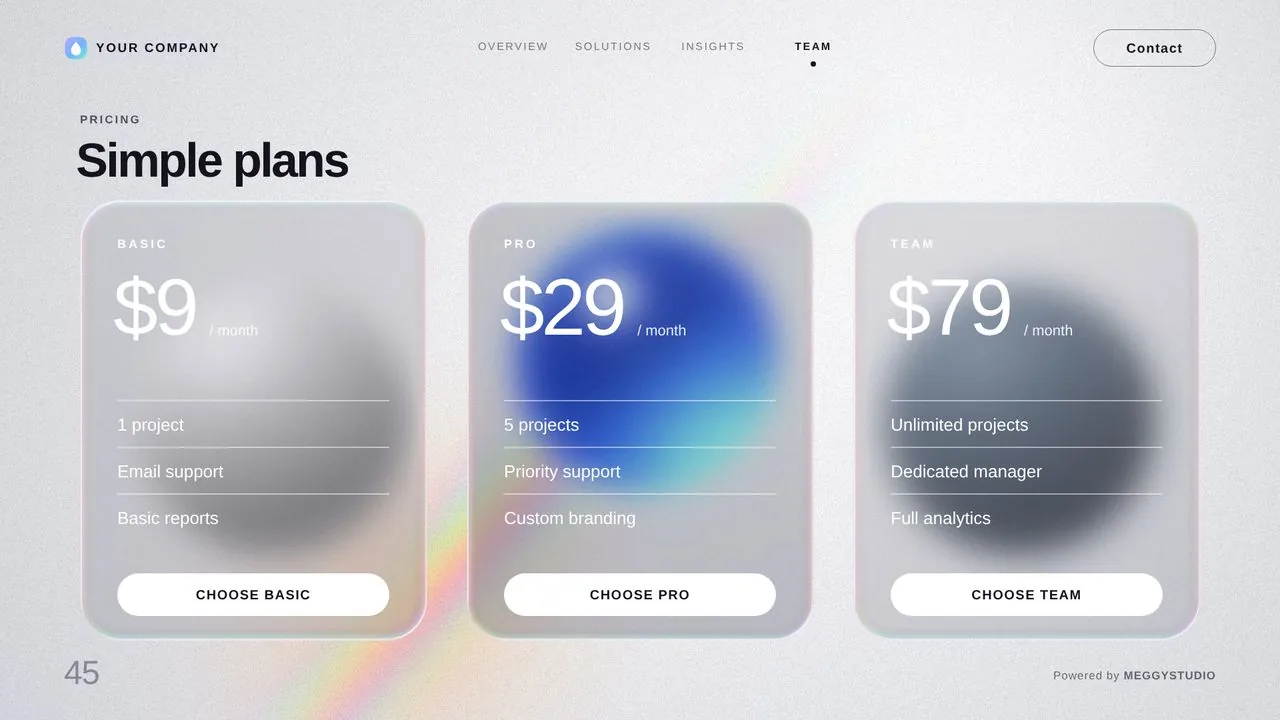
- Sponsorship packages: clear tiers, usually 3, with what each includes and the investment.
- Measurement and reporting: what you'll report afterward, such as attendance, impressions, leads, engagement, and when.
Part 4: Closing
- Timeline and next steps: deadlines for confirmation, asset delivery and the event.
- Contact: one person, direct details, and a clear ask: "Let's book 30 minutes this week."
03How to design sponsorship packages
| Tier | Typical role | What it usually includes |
|---|---|---|
| Title / Presenting | One brand owns the event | Name in the event title, main stage, largest activation space, exclusivity in their category, content rights |
| Main / Gold | A few key partners | Activation booth, stage mentions, logo on key visuals, social posts |
| Supporting / Silver | Smaller brands or in-kind partners | Logo placement, sampling or product placement, mentions |
04Mistakes that kill sponsorship deals
- Logo-only offers. Brands want experiences and data, not just a spot on a backdrop.
- No audience proof. "Thousands of young people" isn't data. Show numbers and sources.
- One deck for every brand. Tailor the activation slide and the cover to each sponsor you pitch.
- Hiding the price. Unclear investment slows everything down. Be upfront with the tiers.
- Forgetting the after. Post-event reports and content are a big part of what sponsors pay for.
05Design tips for event decks
- Let the key visual lead. Events are emotional. Big photos and a strong art direction sell the feeling.
- Match the genre. A music festival deck should feel like the festival; a conference deck can be cleaner.
- Keep text light. Most sponsors skim first. Headlines should tell the whole story.
- Use motion with purpose. Morph between zones or tiers feels premium in a live pitch. See how Morph works.
06Templates made for event pitches
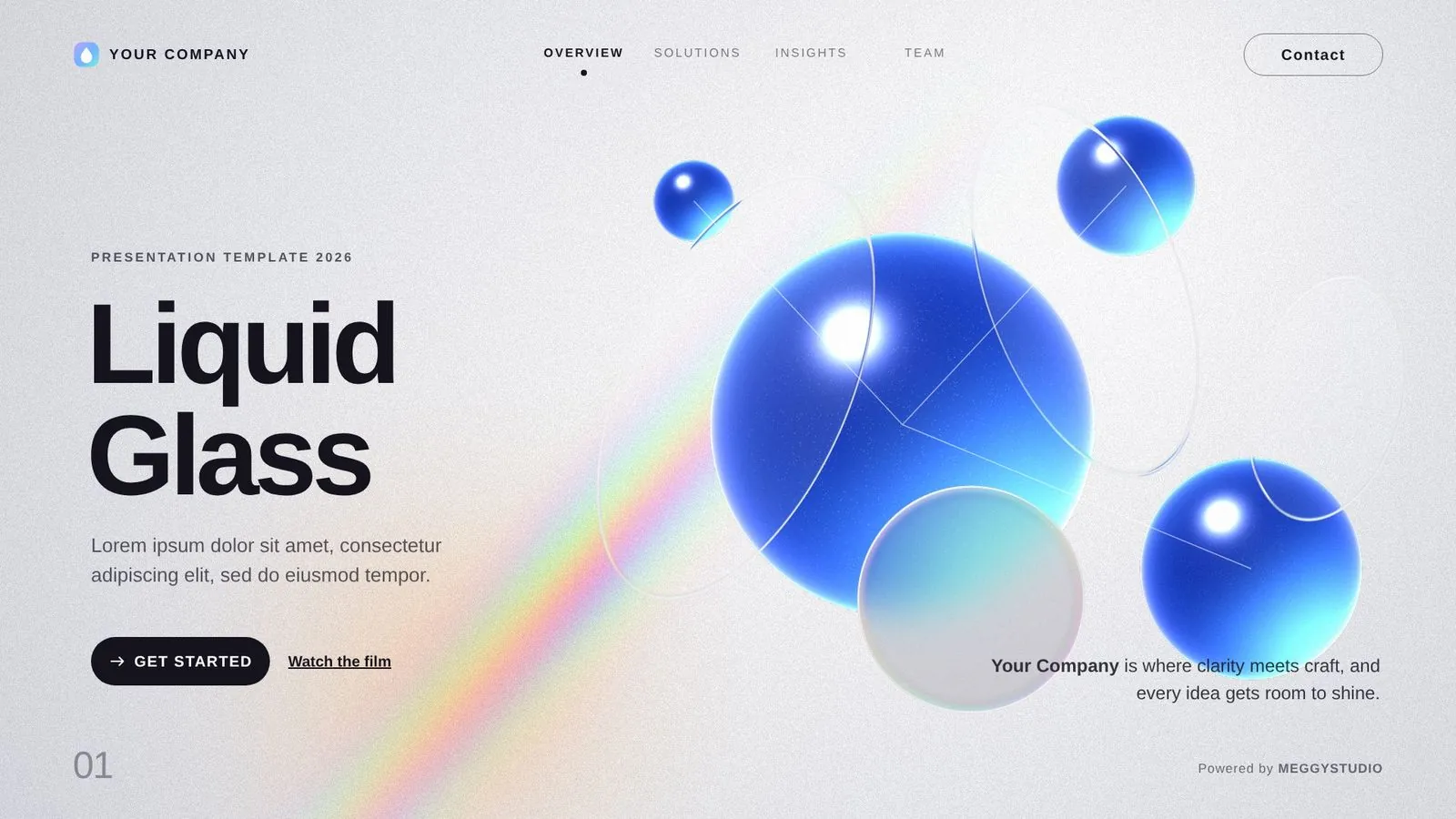
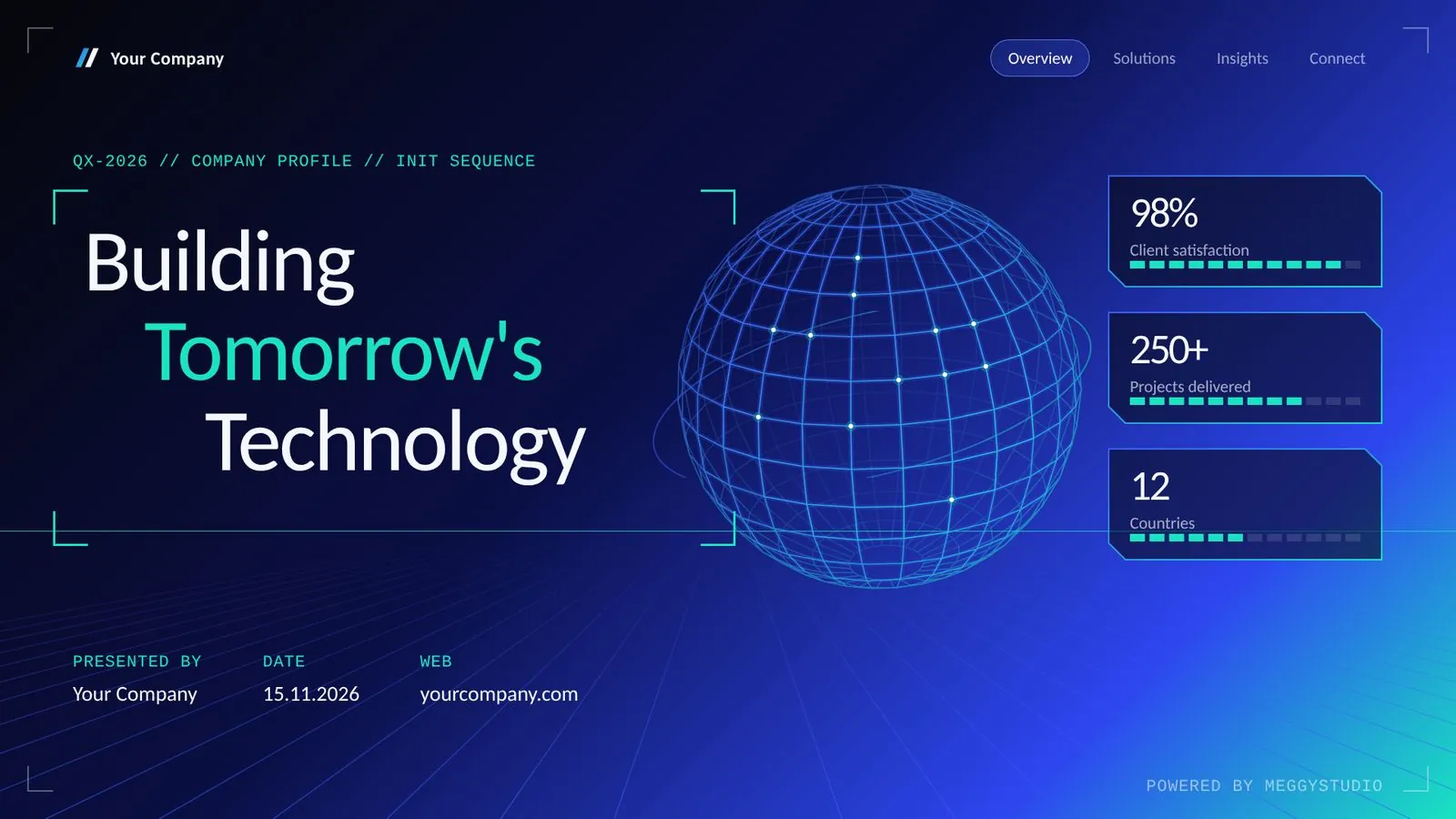
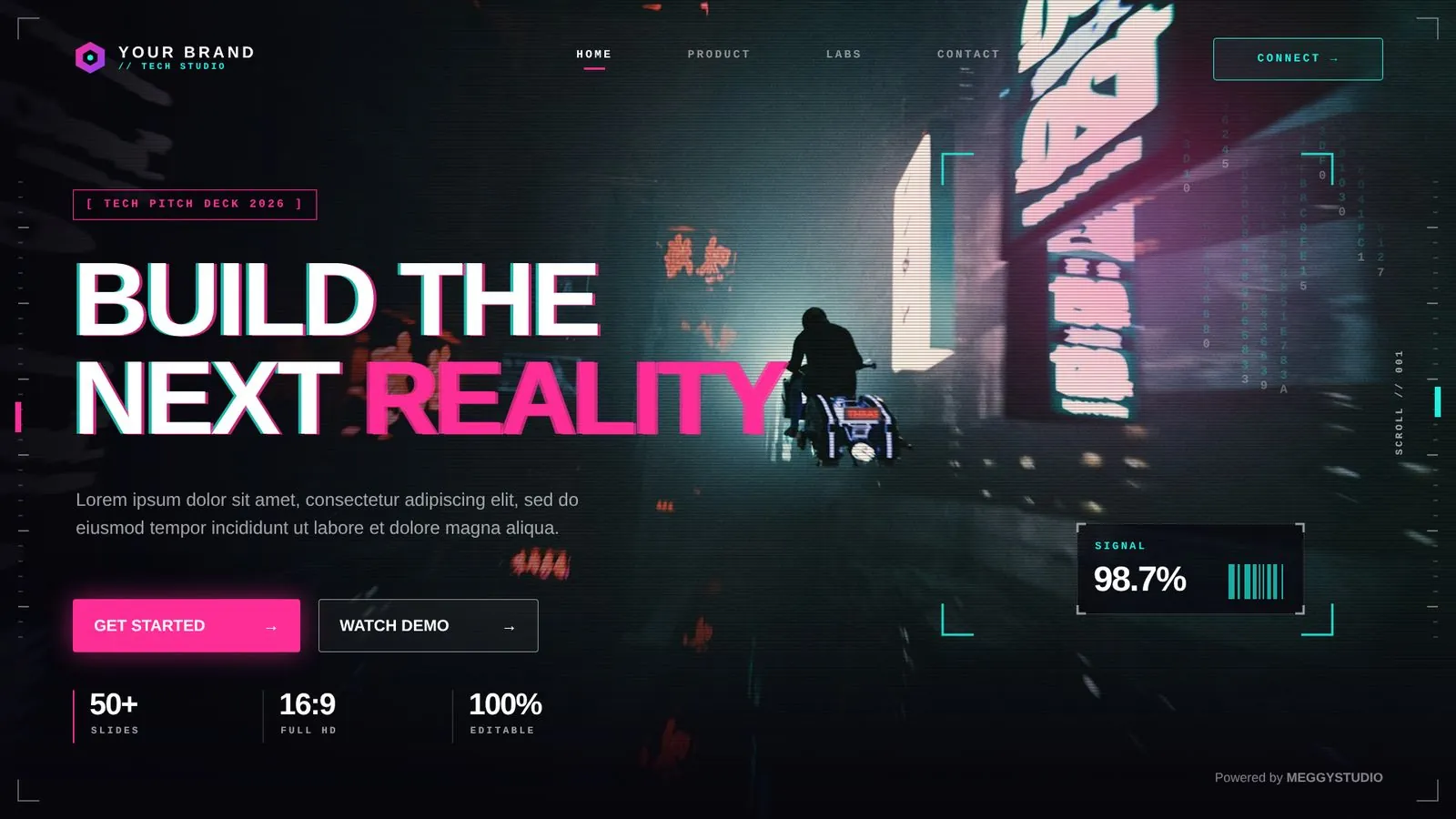
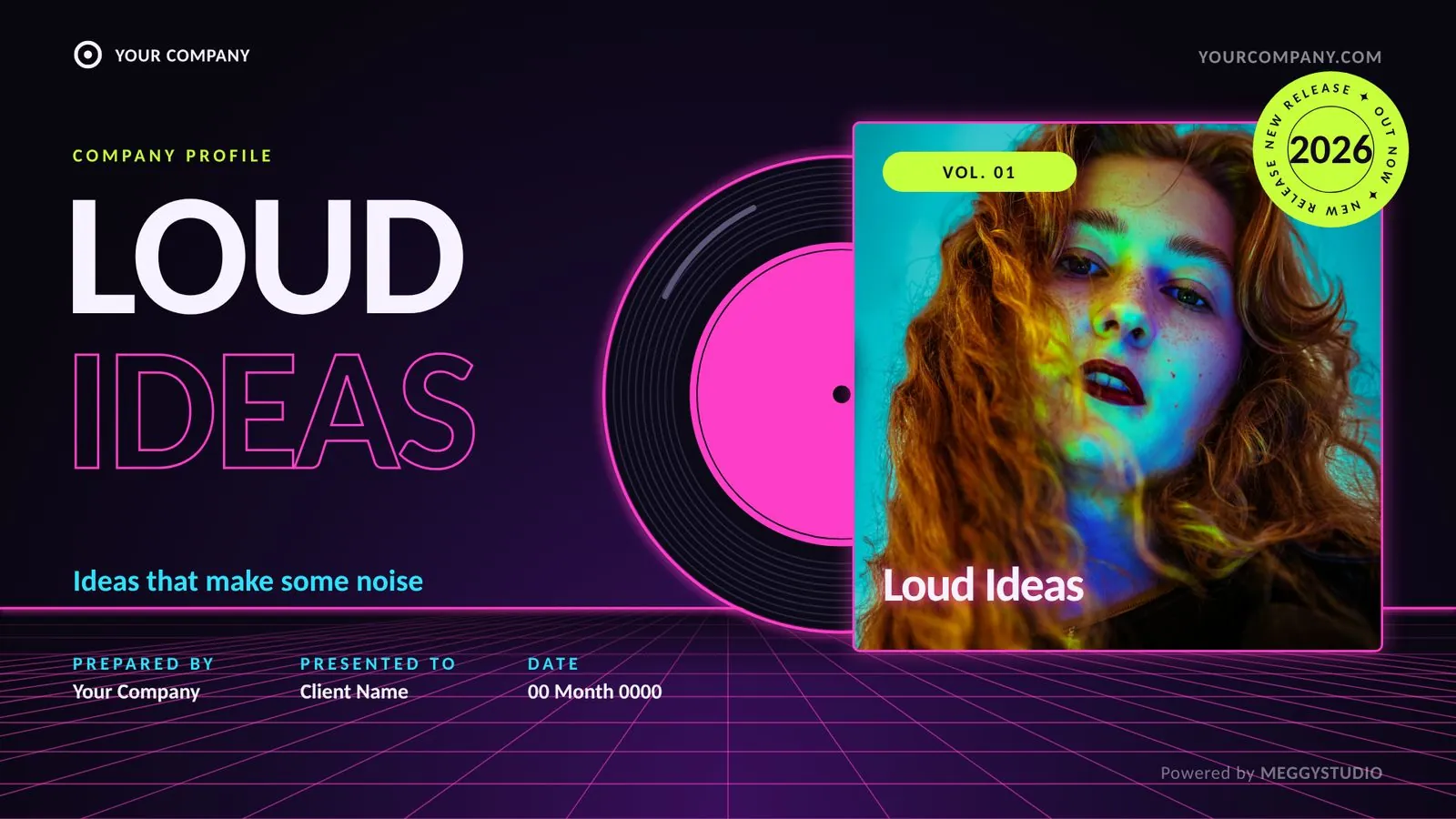
For concerts, festivals and nightlife, Neon Groove and Music Playlist bring the energy. Fan events and artist showcases fit K-Pop Bento, which already includes stage plans, budget, Gantt and content plan slides. Tournaments and esports nights work well with Gaming, and motorsport or automotive launches with Racing.
50-slide event-ready templates with Morph, pricing tiers, timelines and team slides.
07FAQ
What should an event sponsorship proposal include?
The event concept, audience profile, reach and past results, what sponsors get (activation, exposure and data), clear sponsorship packages, the timeline, and a contact with a next step.
How long should a sponsorship deck be?
Around 12 to 20 slides for the main story. Put detailed rate cards, floor plans and technical specs in an appendix.
When should I send a sponsorship proposal?
As early as possible. Many brands plan budgets months ahead, so reaching out well before the event gives them time to fit you into their marketing plans.
Written by MEGGYSTUDIOWe design 50-slide PowerPoint templates with Morph built in.